Beyond the Printed Date: Which Expired Medications Deserve a Second Look — and Which Belong in the Bin
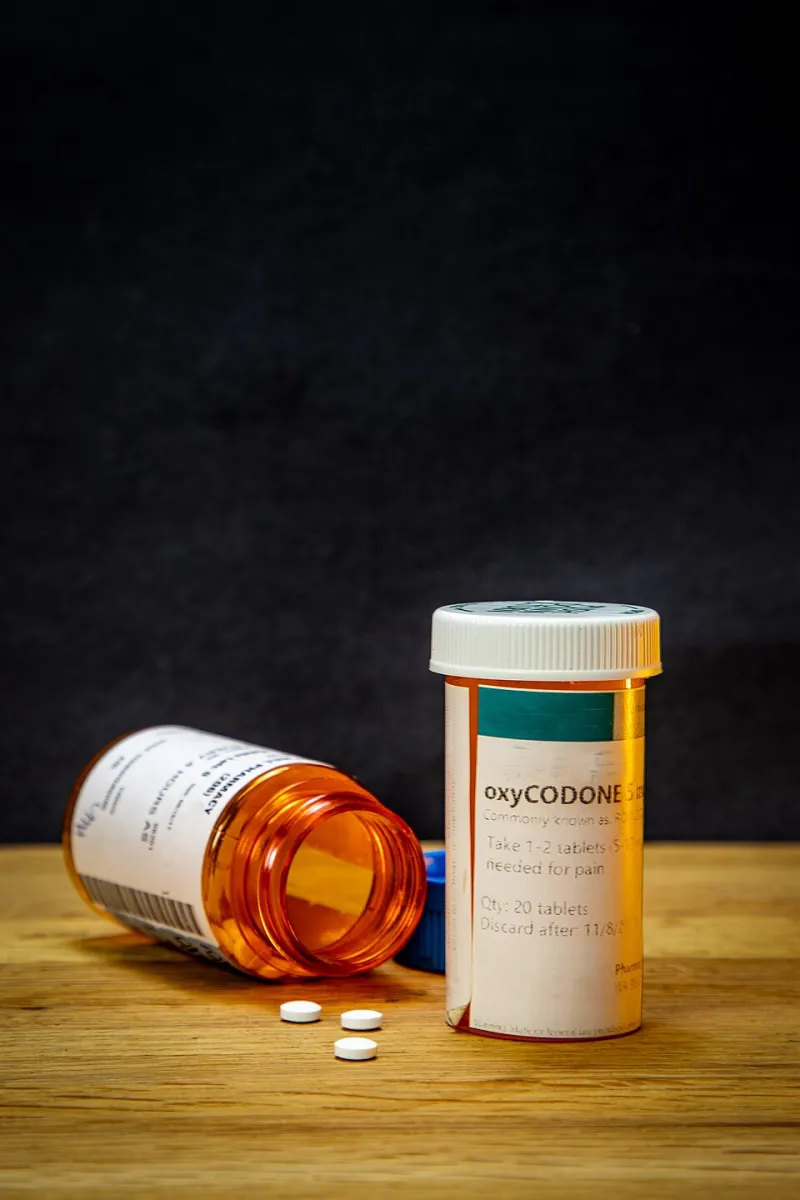
Photo: Cindy Shebley, CC BY 2.0, via Wikimedia Commons
Every prescription bottle in Canada carries two things: the medication itself and a date that most of us treat as gospel. Toss the pills the day after, the thinking goes, or risk taking something that no longer works.
The reality is more nuanced — and for patients watching every dollar at the pharmacy counter, that nuance matters. Replacing medication that is still perfectly effective is, in its own quiet way, a waste of money. But keeping the wrong expired drug can be genuinely dangerous. Knowing the difference is a form of financial and medical literacy that few of us were ever taught.
Where the Date Comes From
An expiry date is not a prediction of when a drug stops working. It is the manufacturer's guarantee — tested, documented, and legally binding — that the product will retain full potency up to that date, stored under specified conditions. Manufacturers are not required to test beyond that horizon, so they rarely do.
The most-cited exception is the U.S. Food and Drug Administration's Shelf-Life Extension Program, which found that roughly 90% of tested medications remained stable years past their labelled dates. That program applied to stockpiled federal supplies stored in ideal conditions — not to the humidity-soaked bathroom cabinet. The lesson is not that dates are meaningless; it is that they mark the start of gradual, drug-specific decline rather than a universal switch that flips at midnight.
The Medications You Should Never Gamble With
Some drugs degrade in ways that matter enormously, and for these the date deserves real respect.
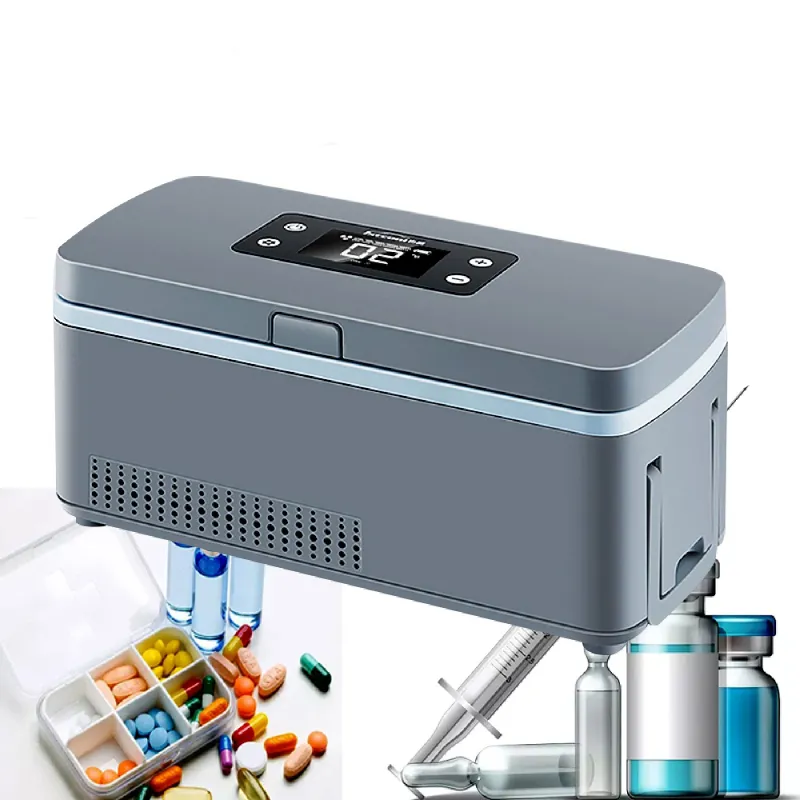
Insulin tops the list. Once opened, a vial or pen generally holds full potency for about 28 days at room temperature, and even unopened insulin loses effectiveness past its date. Deteriorated insulin does not simply work less — it works unpredictably, which for blood glucose management is arguably worse. An expired vial is a false economy in the most literal sense.
Nitroglycerin, used for angina, is notoriously fragile. Heat, light, and the plastic of pill bottles all accelerate its breakdown, and the sublingual tablets can lose potency within months of the bottle being opened. When a medication exists to stop a cardiac emergency, there is no acceptable margin for degradation.
Liquid antibiotics and reconstituted suspensions — the amoxicillin a child finishes in ten days — should never be saved for a future illness. They degrade quickly, dosing becomes unreliable, and leftover antibiotics are a poor self-treatment strategy regardless of their age.
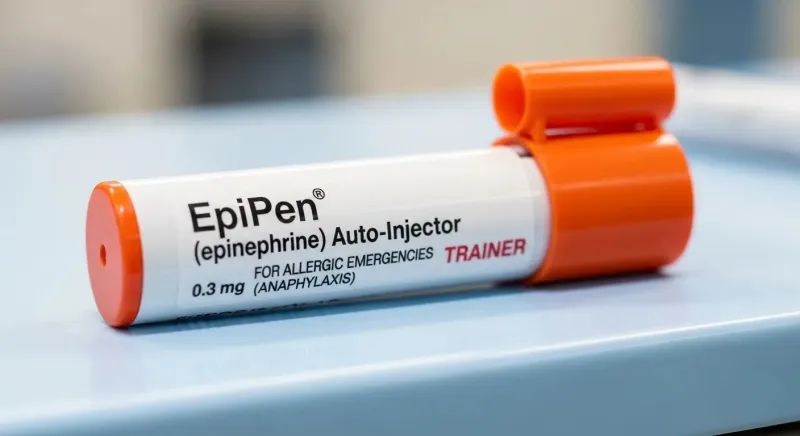
EpiPens and other epinephrine auto-injectors fall into a grey zone: studies suggest reasonable potency past expiry, but given that an anaphylaxis reaction tolerates no failure, Health Canada guidance remains firm. Replace them.
Eye drops and any sterile product past their date risk contamination, and an eye infection is a steep price for a few saved dollars.
The Medications That Age Gracefully
On the other side of the ledger sit many of the drugs Canadians take daily and in volume — precisely the ones where expiry-driven replacement adds up financially.
Solid oral tablets of statins, blood pressure medications, SSRIs, and antihistamines are chemically stable compounds. Research on drugs like these, stored properly and sealed, has found them largely potent a decade or more beyond their dates. A bottle of expired loratadine from last allergy season is very unlikely to have become anything other than slightly less effective.
Levothyroxine, metformin, and most generic chronic-condition medications fall into the same stable category. A course of action worth discussing with a pharmacist: if a sealed, properly stored medication is a year or two past its date and you need it between refills, it is unlikely to harm you — though it may be somewhat weaker.
The critical caveat is storage. Heat and humidity are the true enemies of potency, which is why the bathroom medicine cabinet — steamy, warm, and bright — is the worst real estate in the house.
A Cost-Conscious Patient's Framework
For readers of this site, the practical question is how to translate all of this into savings without risk. Three habits help.
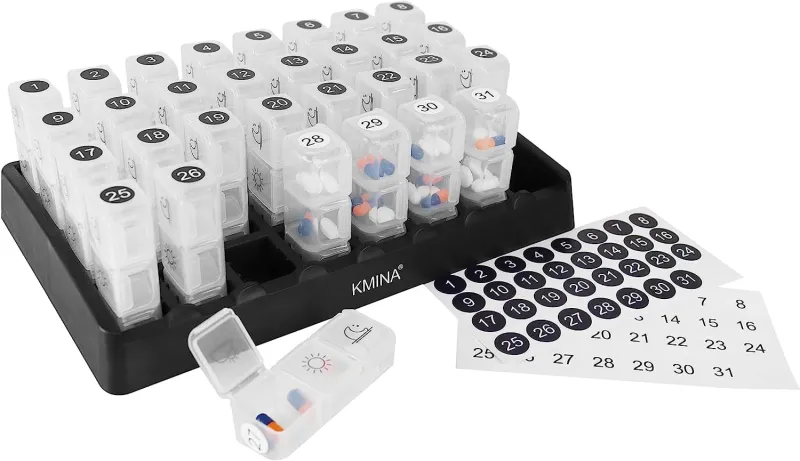
First, store deliberately. A cool, dark, dry cupboard away from the kitchen stove beats the bathroom every time. Refrigerate only what the label requires. Proper storage is the single cheapest way to make a prescription last to — and sometimes past — its full potency window.
Second, don't overfill. The 90-day fill is a powerful savings tool, but only for medications you reliably take. Stockpiling drugs you may abandon guarantees expired waste. Match fill size to adherence.
Third, ask before you toss. Your pharmacist can tell you which of your specific medications are stability-sensitive. This is a five-minute conversation that can prevent both an unsafe decision and an unnecessary replacement.
For those replacing expensive maintenance medications, cost — not just the calendar — should drive the decision. Sourcing refills affordably, including through licensed cross-border options, often makes more sense than stretching a degraded drug. When in doubt about whether an expired medication is safe to continue, the safest route is to replace it through a trusted, affordable channel rather than gamble on potency.
The Bottom Line
The expiry date is best understood as a warranty, not a detonation timer. For stable tablets stored sensibly, running slightly past the date in a pinch is a low-risk stopgap. For insulin, nitroglycerin, liquid suspensions, sterile products, and emergency injectors, the date is a hard line — and respecting it is part of respecting the medication itself.
The most affordable medicine cabinet is one that is well stored, appropriately stocked, and honestly sorted. An hour with your pharmacist and your shelves could save you more over a year than most discount programs — and unlike a discount, it costs nothing at all.