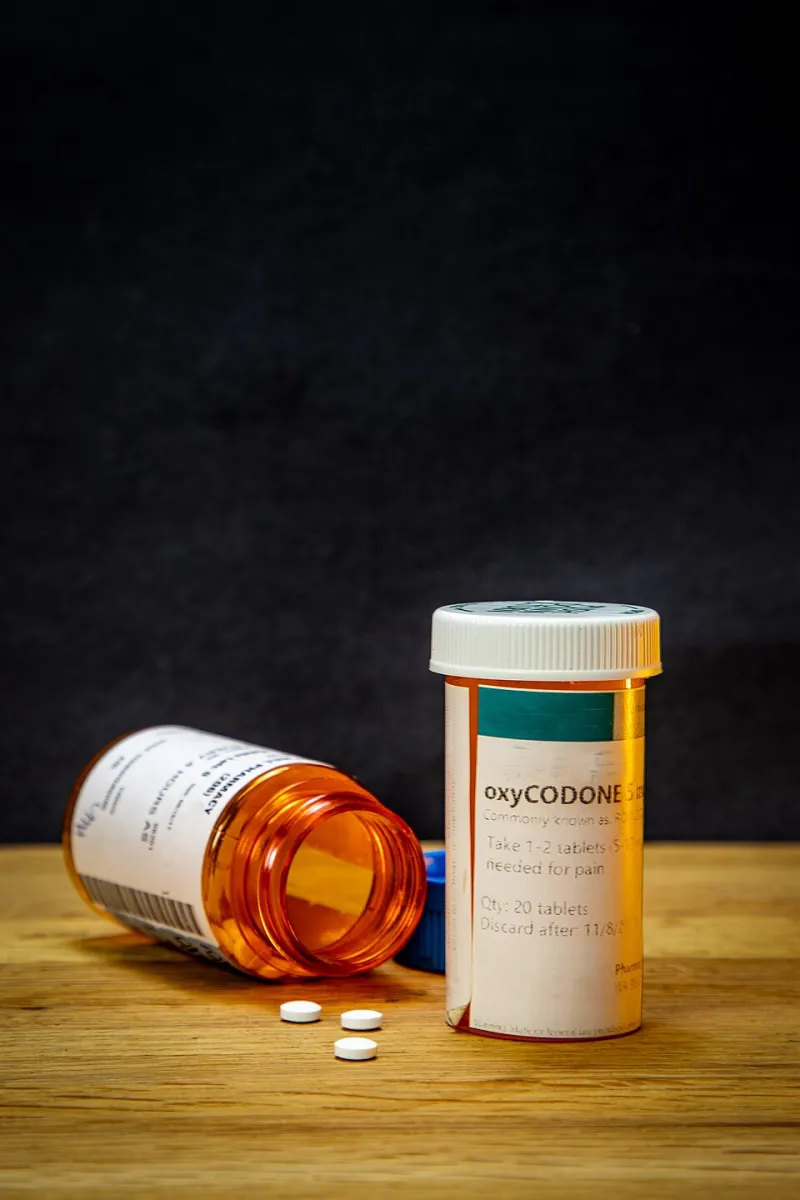
Empty Shelf, Full Prescription: Navigating Canada's Drug Shortages Without Losing Your Treatment Plan
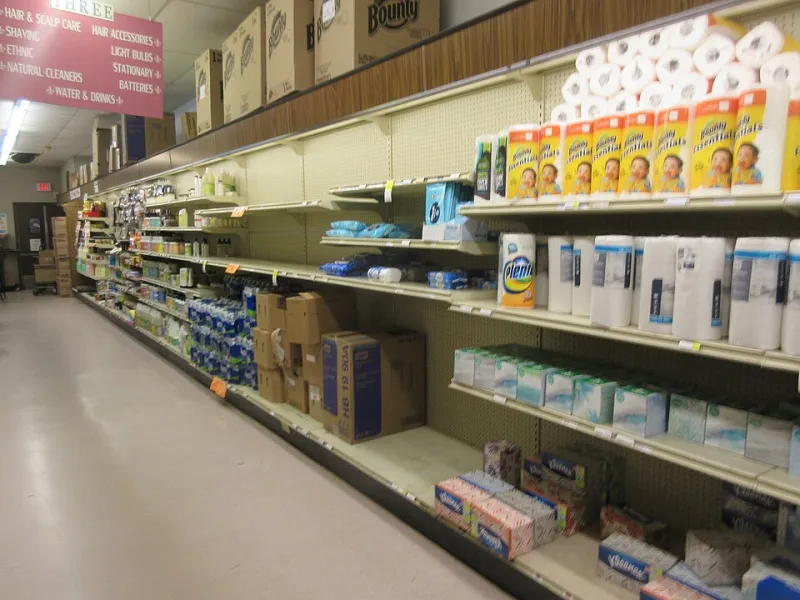
Photo: Infrogmation of New Orleans, CC BY-SA 4.0, via Wikimedia Commons
You did everything right. The prescription was renewed on time, you arrived at the pharmacy with a day or two of medication to spare — and the pharmacist delivered the sentence that has become all too familiar: "We're out of stock. The next shipment is... uncertain."
Across Canada, drug shortages have shifted from occasional inconvenience to structural problem. For patients managing chronic conditions, the experience is more than frustrating; it can be genuinely risky. Understanding why shortages happen, which medications are most vulnerable, and what options exist when the shelf is empty can mean the difference between a managed disruption and a dangerous gap in care.
Why the Shelves Keep Emptying
Canada's medication supply is a long chain with many weak links. A single generic medication might rely on one or two active pharmaceutical ingredient plants somewhere in Asia. If that plant is inspected, damaged, or shut down, the effects ripple across continents within weeks.
Add to that Canada's relatively small purchasing power as a market — we are often the last in line when global supply tightens — and the result is predictable. Hospitals, which must buy at any price, compete with community pharmacies for limited stock. When a shortage hits, the pharmacy that negotiated a stable contract months ago may still come up empty-handed.
The COVID-19 years exposed these vulnerabilities, but the underlying problem predates the pandemic and has outlasted it.
The Drug Classes Hit Hardest
Shortages do not fall evenly. Certain categories appear on Health Canada's shortage lists again and again:
- ADHD medications, particularly stimulants, where manufacturing quotas and surging demand have collided for years.
- Antibiotics, especially amoxicillin formulations, which spike in demand every respiratory illness season.
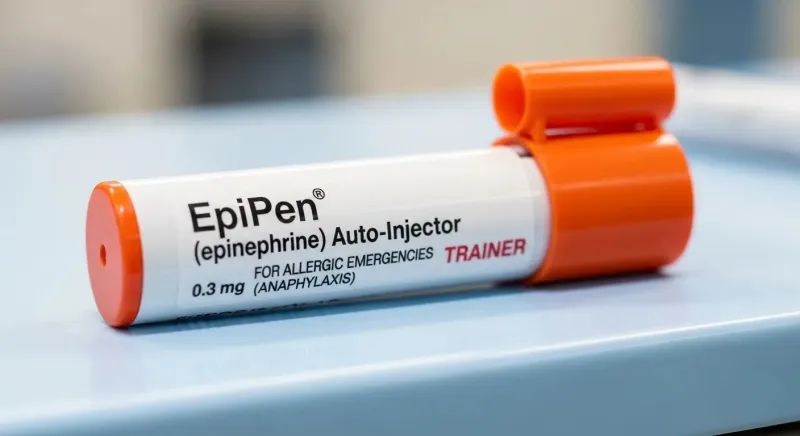
- Injectable and sterile products, including epinephrine and certain anesthetics, where manufacturing complexity makes supply fragile.
- Common generics such as some blood pressure and thyroid medications, where thin profit margins discourage manufacturers from holding buffer stock.
If you take a medication in one of these categories, it is worth paying attention to the news and to your refill calendar. A shortage you learn about a month early is an inconvenience; one you learn about at the counter is a crisis.
How Pharmacists Decide Who Gets What
When stock is limited, pharmacists do not simply dispense on a first-come basis. Professional guidelines and pharmacy policies direct them to prioritize continuity of care. A patient with epilepsy who will seize without medication outranks someone filling early for travel.
In practice, this means pharmacists may:
- Dispense partial fills to stretch available supply across more patients
- Hold remaining stock for patients with no alternatives
- Contact prescribers to switch stable patients to equivalent drugs
This triage is rarely visible to patients, and it can feel arbitrary from the other side of the counter. It is not. If you are asked to accept a half-fill or wait a week, it is usually because someone else's situation is more fragile — and your turn may come the next time.
Practical Workarounds That Actually Work
An empty shelf is not an empty prescription. Several avenues are worth pursuing:
Ask about therapeutic alternatives. Many drugs have same-class substitutes with equivalent effects. Your prescriber, not the pharmacist, must authorize the swap — but a good pharmacist will often initiate that call for you.
Consider a different formulation. If tablets are unavailable, a liquid, capsule, or dissolvable version of the same drug may be in stock. Dosing may need adjustment, so never make this change unaided.
Try a different pharmacy — or a different country. Supply chains differ between banners and buyers. A pharmacy in the next town may have stock yours does not. Cross-border options matter here too: for many maintenance medications, licensed Canadian pharmacies and American discount channels draw on different manufacturing batches, which is precisely why comparison shopping across the border has become a savings and supply strategy for cost-conscious patients on both sides.
Refill early when you can. Keeping a modest buffer of maintenance medications — where storage permits and regulations allow — buys you time when a shortage strikes.
Get on the waitlist, properly. Ask when the pharmacy expects delivery and whether they will call you. Follow up. Pharmacies manage hundreds of patients; the squeaky wheel genuinely does get the returned phone call.
What Not to Do
The most dangerous responses to a shortage are rationing your own medication, stretching doses, or borrowing from a friend or family member. A partial dose of an anticonvulsant, antidepressant, or blood thinner is not a reduced treatment — it is a different risk profile entirely.
If you cannot fill a prescription, call your prescriber the same day. Physicians and nurse practitioners have tools: substitutions, temporary alternatives, samples in some cases, and the authority to document urgency with the pharmacy.
A Supply Problem Without a Quick Fix
Provincial and federal bodies have proposed reforms — greater transparency requirements, incentives for domestic manufacturing, bulk purchasing coordination — but none will arrive quickly. In the meantime, the best defence is an informed patient: one who knows their medication's vulnerability, maintains a relationship with their pharmacist, and understands that "out of stock" is the beginning of a conversation, not the end of one.
Your pill organizer should not depend on luck. With a little planning and the right questions, it does not have to.