Open the Cabinet, Count the Cost: A Household Medication Audit for Canadian Families
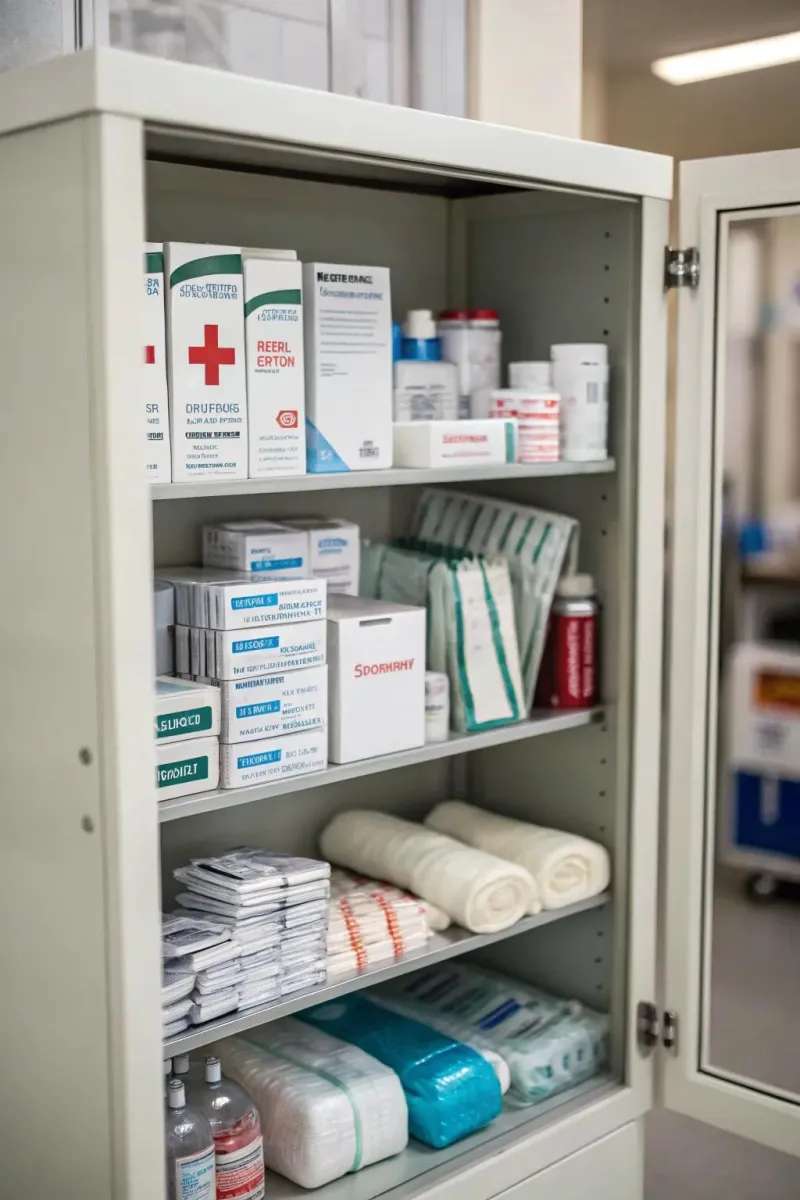
Photo: organized medicine cabinet home first aid supplies, via casolia.com
Every household has one. The drawer in the kitchen that holds a cough syrup from three winters ago, a half-finished tube of hydrocortisone, and a blister pack of antihistamines nobody remembers buying. Add a second stash in the upstairs bathroom, a travel kit in the hallway closet, and a coat pocket containing a forgotten bottle of ibuprofen, and the average Canadian family is quietly sitting on hundreds of dollars in duplicated and expired medication.
A medication audit is not complicated, but it does require honesty — about what you use, what you hoard, and what you are still paying for out of habit. This guide walks through the process room by room, and finishes with a realistic picture of the annual savings a thorough declutter can produce.
Why an Audit Matters More Than It Used To
Prescription and over-the-counter spending has crept upward for working-age Canadians, particularly in households without employer drug coverage. When every purchase comes out of pocket, duplication is not a minor inconvenience — it is a leak in the budget. Two bottles of the same children's fever reducer, bought in different months because nobody could find the first one, is a small example of a very large pattern.
There is also a safety dimension. Expired medications lose potency, and duplicated products increase the risk of accidentally doubling a dose — a particular concern with acetaminophen, which appears in dozens of combination cold and pain products under different brand names.
Step One: Gather Everything Before You Judge Anything
Do not audit shelf by shelf. Collect every medication in the house into one place — the kitchen, the bathrooms, the bedrooms, the vehicles, the travel bags, the first-aid kit in the basement. This single step reveals more than any checklist: the three bottles of the same antacid, the two thermometers, the prescription that was refilled because the original was lost in a snowsuit pocket.
As you gather, check each item against three questions:
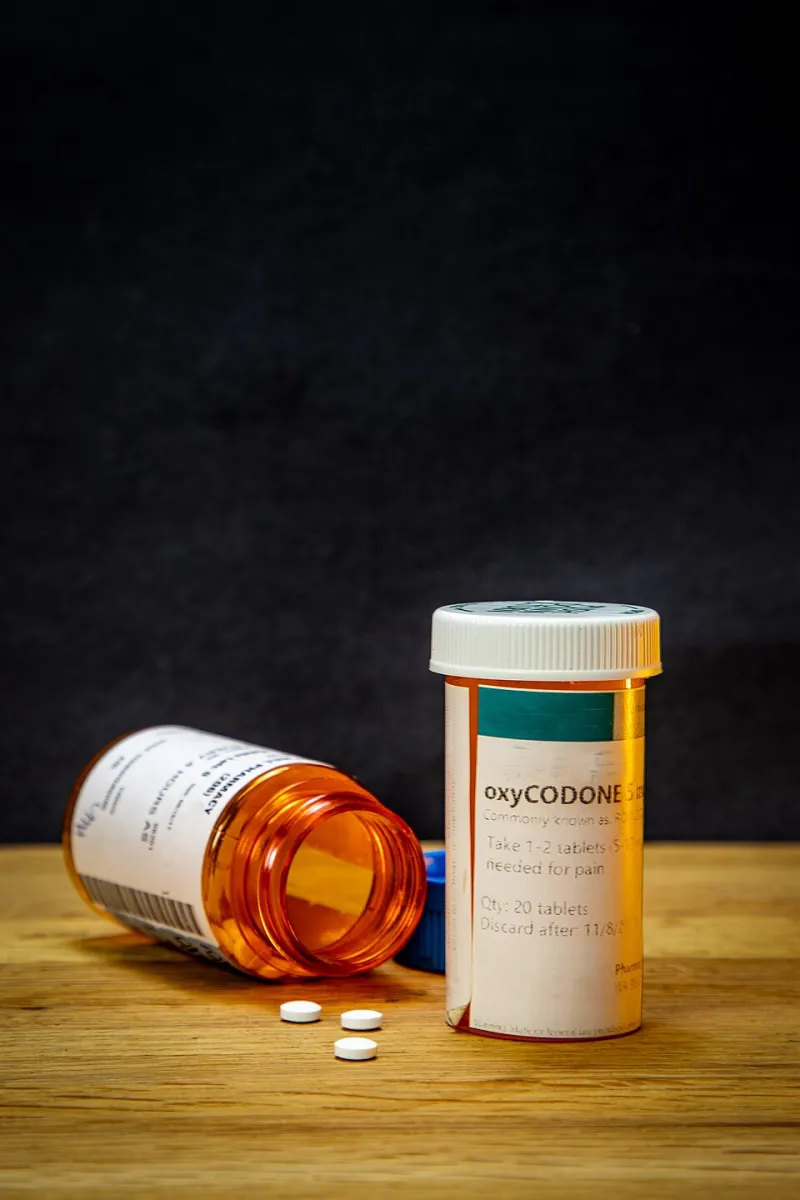
- Is it expired? Check both the printed date and, for items like liquid antibiotics that were started and abandoned, the discard-after date on the label.
- Is it a duplicate? Same active ingredient, different brand, different room.
- Is it still relevant? A child's dosage chart for a teenager, a leftover prescription from a condition that has since changed treatment plans.
The Room-by-Room Sweep
Kitchen and main living area. This is usually the busiest medicine zone. Expect to find pain relievers, cold and flu products, and vitamins. Cold remedies deserve special scrutiny — most contain a decongestant or antihistamine you may already own on its own. Keeping one of each category and discarding the rest is a straightforward rule.
Bathrooms. Humidity shortens the life of medications, which is why the bathroom cabinet is often home to the most degraded stock. Check tubes of ointment for separation or hardening, and discard anything past its date. Prescription bottles belong here too — verify each one against the current prescription list, and flag anything a family member is no longer taking.
Coat pockets, purses, and vehicles. The forgotten frontier. Medication left in a car endures Canadian temperature swings — freezing winters and hot summer dashboards — that can degrade it even before the expiry date. If it has ridden through a season in a glovebox, treat it as suspect.
Travel bags and cottage kits. Duplicate sunscreen, a second pain reliever, an old antidiarrheal kit. Consolidate the genuinely useful items into one designated travel pouch and eliminate the rest.
Prescription Medications: Handle With Care
Over-the-counter duplicates are easy to toss. Prescriptions require more thought. Never stop or discard a current medication without confirming with your pharmacist that it is still part of the treatment plan. For discontinued prescriptions, return unused medication to your pharmacy — most in Canada participate in take-back programs, and flushing or binning medication is discouraged for environmental reasons.
While you are at the pharmacy, ask whether any recurring prescriptions could be consolidated into a 90-day fill. Fewer refill cycles mean fewer dispensing fees, and for families paying out of pocket, that difference compounds over a year.
The Subscription Check You Did not Know You Needed
Modern pharmacy has quietly introduced a new line item: the auto-ship subscription. Vitamins, supplements, contact lens solution, and maintenance medications delivered monthly can accumulate into a meaningful recurring cost — especially when the household is also buying the same products at the store because the delivery timing slipped. Audit your email receipts and bank statements for recurring pharmacy charges, and cancel anything that is being duplicated or unused.
What the Declutter Is Actually Worth
Exact figures vary, but a realistic tally for a typical family of four looks something like this:
- Eliminated duplicate over-the-counter products: $40–$90 per year in avoided repurchases
- Cancelled redundant subscriptions: $100–$300 per year
- Consolidated prescription refills (fewer dispensing fees): $50–$150 per year for cash-paying households
- Avoided waste from buying what you already owned: $30–$60 per year
Taken together, a single afternoon of auditing can plausibly recover $200 to $500 annually — without touching anyone's treatment plan. For households managing chronic conditions, the savings tend to run higher, particularly when the audit prompts a conversation about generic alternatives or cross-border price comparisons for ongoing prescriptions.
Keep It From Creeping Back
An audit only pays off once. To make it stick:
- Designate one storage location for medications and return everything there.
- Keep a simple running list — a spreadsheet works well — of what you own and when it expires.
- Repeat the sweep every January, when the holiday cold-and-flu residue is at its peak and motivation for household cleanup is highest.
- Before any purchase, check the list. The cheapest medication is the one you do not buy twice.
A medicine cabinet, like a budget, stays healthy through regular attention. The families who audit once a year spend less, waste less, and — not incidentally — keep safer stock on hand for the moment it is actually needed.