Snowbird-Proofing Your Prescriptions: A Border-Crossing Checklist for Canadian Travellers
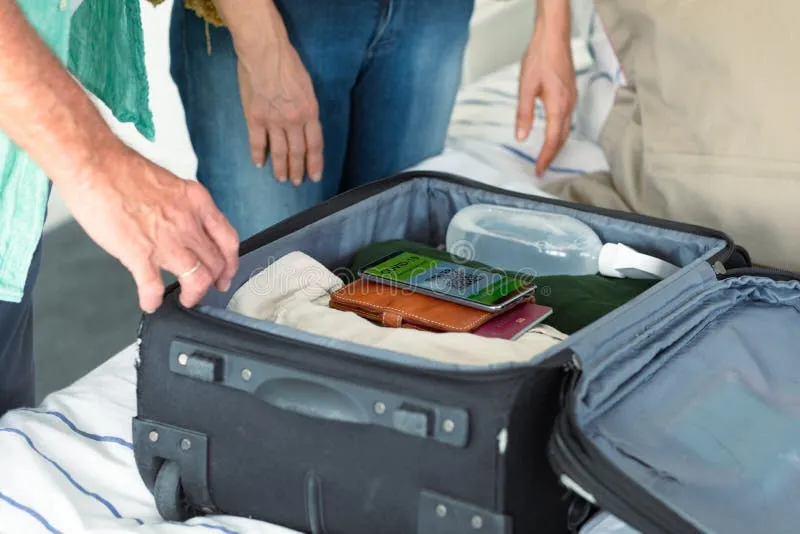
Photo: senior couple packing medication travel suitcase passport, via thumbs.dreamstime.com
Every autumn, an estimated one million Canadians head south for the winter, and every autumn, a familiar scene unfolds at customs booths from Ontario to British Columbia: a traveller with a suitcase full of prescription bottles and no idea what documentation they actually need. The result can range from a fifteen-minute delay to a confiscated supply of a life-sustaining drug. The good news is that avoiding both outcomes requires little more than preparation — and a bit of paperwork most travellers have never been told to request.
Start With the Paper, Not the Suitcase
The single most useful document a travelling patient can carry is a letter from the prescribing physician, ideally on clinic letterhead, listing each medication by its generic and brand name, the dosage, the prescribed quantity, and the medical purpose. Customs officers in the United States and at Canadian re-entry points are not pharmacists; they need plain-language confirmation that the pills in your carry-on are legitimate.
Pair that letter with the original labelled containers. Transferring medication into a weekly pill organizer is fine for use at your destination, but keep the pharmacy-issued bottles for transit. The label — your name, the drug, the dispensing pharmacy — is the fastest proof of legitimacy you can offer. A photocopied set of labels stored separately from the originals provides a backup if luggage goes missing.
Quantity Limits and the 90-Day Reality
Canadian residents commonly assume they can travel with as much medication as they like. The rules are narrower. For personal-use quantities crossing into the United States, a supply of roughly 90 days is the practical ceiling for most prescriptions, and some drugs — particularly controlled substances such as certain sleep aids, ADHD medications, and opioid-based pain relievers — face far stricter limits and may require additional documentation in both directions.
This is where refill timing becomes a financial and logistical decision. A traveller planning a five-month stay has three reasonable options:
- Two fills with a cross-border refill trip. Some snowbirds plan a short return to Canada mid-winter anyway; aligning a refill with that trip keeps everything legal and reimbursable.
- A physician-authorized extended supply. Many prescribers will write for a longer duration before departure if the patient asks early enough — another reason to visit your doctor six to eight weeks before you leave.
- A U.S. prescription transfer for the balance. A Canadian prescription cannot simply be filled at an American pharmacy, but a U.S. physician can issue a new prescription, often after a telehealth consultation. Expect U.S. cash prices to be higher; travellers should compare before committing.
For those weighing the cost of a longer Canadian fill against U.S. prices, our coverage of cross-border pricing shows why the Canadian fill is frequently the cheaper anchor — but only when the paperwork is in order.
Temperature, Altitude, and the Trunk Problem
Insulin, certain biologics, injectables for osteoporosis, and some thyroid medications are sensitive to heat and freezing. A car trunk in Palm Springs can exceed 50°C on a July afternoon; even a February dashboard in Texas can warm well past manufacturer storage limits.
Practical packing guidance:
- Carry-on, always. Checked luggage is exposed to freezing cargo holds and, more importantly, can be lost.
- Insulated pouches, not ice. Gel-freeze packs can freeze insulin solid; use an insulated travel case designed for medication instead.
- Check manufacturer travel guidance. Some products allow unrefrigerated storage for a defined number of days — know that window before you travel.
- Plan for power. Travellers relying on refrigerated storage in an RV or hotel should confirm fridge access at booking, not on arrival.
Insurance, Coverage, and the Out-of-Province Gap
Provincial drug plans do not follow you across a border. Travellers under 65 with private coverage should call their insurer before departure to ask two questions: what is covered outside Canada, and what documentation is required for a claim? A printed travel-coverage summary, plus receipts for every fill, makes reimbursement dramatically easier.
Private travel insurance deserves equal scrutiny. Many policies exclude claims related to pre-existing conditions unless the condition is stable and the medication is declared. Undeclared prescriptions have derailed more than one snowbird's claim for an unrelated emergency. Disclose everything; the premium difference is usually modest.
When the Trip Outlasts the Refill
A delayed flight home, an extended family visit, a hospital stay — trips end later than planned more often than travellers admit. Build a contingency before departure: ask your Canadian pharmacy whether an emergency supply can be authorized remotely, identify a physician clinic or telehealth service at your destination that can issue a local prescription, and know which of your medications are widely available versus tightly controlled. A controlled substance that is routine in Canada may be restricted or prohibited elsewhere; travellers to certain destinations should verify the legal status of every drug they carry, including over-the-counter items containing codeine.
A Final Word From the Counter
Pharmacists see the travel-season scramble every year, and the failures are almost always preventable: no physician letter, unlabeled baggies, a two-month trip planned on a one-month supply. Book a pre-travel consultation with your pharmacy team four to six weeks before departure. Bring your itinerary, your medication list, and your questions. Ten minutes at the counter in October is the cheapest travel insurance you will ever buy — and it keeps the border crossing, in both directions, boring. Which is exactly what you want.