Packing the Prescription File: Moving Between Provinces Without Paying Twice

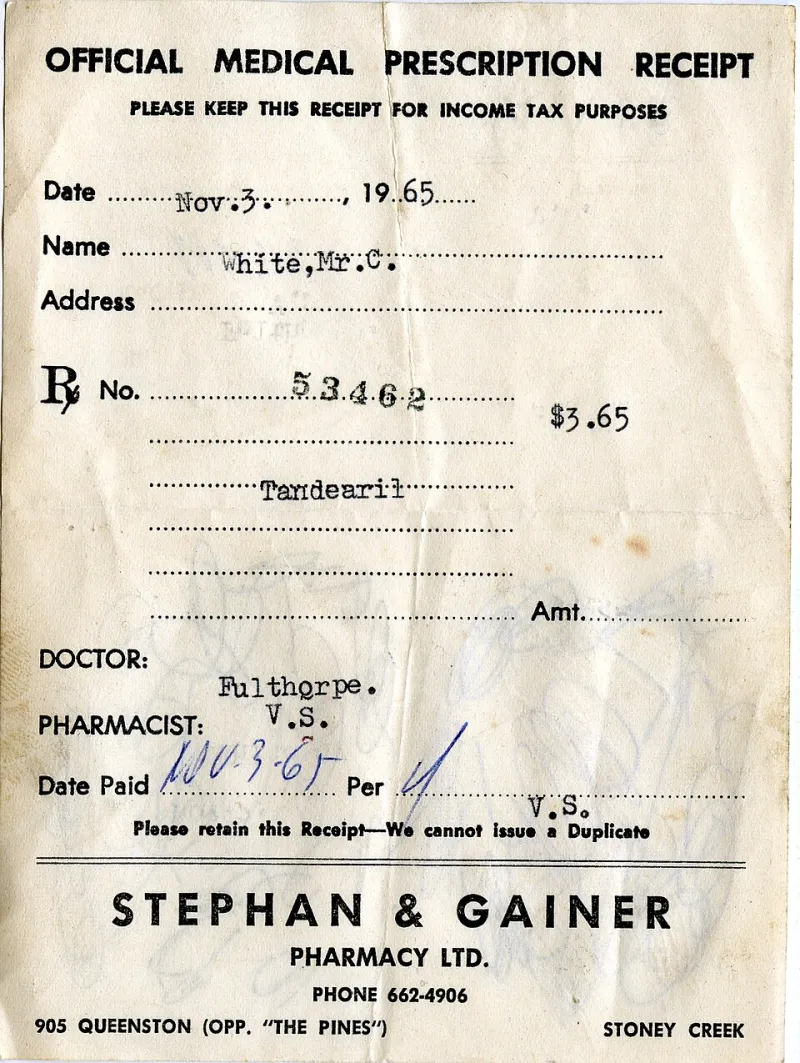
Photo: Paulo O from Halifax, Canada, CC BY 2.0, via Wikimedia Commons
A move to another province is usually planned around housing, work, and schools. Prescriptions are often the last item on the list — until a vial runs out and the new pharmacy cannot immediately fill it, or a provincial drug plan asks for paperwork that was never requested. The result can be a gap in treatment, a cash payment that was not budgeted, or a duplicate charge for a refill that was already filled before the move.
The good news is that most of these problems are preventable with a modest amount of preparation. A prescription file, a few phone calls, and a clear timeline can carry a patient across a provincial border without turning the first month into an expensive administrative exercise.
Before the Move: Build the File
The first step is to assemble a complete medication record. Ask the current pharmacy for a printout of active prescriptions, including drug names, strengths, directions, prescription numbers, original prescriber, last fill date, and remaining refills. If the pharmacy uses a digital portal or app, download the medication history while access is still straightforward.
A paper copy still matters. A new pharmacy may be able to receive an electronic transfer, but a printed record gives the patient something to hand over if the transfer is delayed. It also helps the new prescriber, if one is needed, understand the treatment history without relying on memory.
This is also the moment to check whether any prescription is close to expiring. A prescription that has no refills left is harder to transfer across provinces, because the new pharmacy may need a new authorization from a prescriber. If a refill is due soon, it may be better to renew it before the move than to discover the problem in a new city.
Timing the Last Refill
The most common financial mistake is refilling too early and then paying again after the move. If a patient fills a three-month supply a week before leaving, and the new pharmacy cannot transfer the remaining refills or the new provincial plan has a waiting period, the household may end up paying out of pocket for a second supply before the first is finished.
A better approach is to map the refill calendar against the moving date. If the move is in two weeks and the current supply runs out in three, the patient may need only a small bridging quantity. If the move is in two months, it may be sensible to keep the current rhythm and arrange a transfer well before the next fill is due.
Patients should ask the old pharmacy whether it can provide a vacation-style supply or an early refill under the applicable rules. Not every province or plan allows this, and a pharmacist will need a reason. The goal is not to stockpile; it is to avoid a gap while the new coverage is being arranged.
Transferring the Prescription
Prescription transfers between pharmacies are routine within a province, but interprovincial transfers can be less seamless. Not all pharmacy software systems communicate directly across provincial boundaries, and the rules around transferring a prescription vary. The patient should ask the old pharmacy whether it will transfer the file electronically, whether it will provide a written copy, and whether any prescriptions are excluded from transfer.
The new pharmacy should be asked the same questions from the other direction. Can it receive the transfer? Does it need the original prescriber to authorize a new prescription? How long will the process take? If the patient needs medication before the transfer is complete, can the new pharmacy dispense a short interim supply?
A digital pharmacy or patient portal can make this easier, but it is not a substitute for confirmation. An app may show a prescription as active while the new pharmacy still needs a manual authorization. A phone call to the new pharmacy, with the prescription numbers in hand, is still the most reliable way to confirm that the file has arrived.
Coverage at the Provincial Border
Drug coverage is not portable in the way hospital coverage is often assumed to be. Each province runs its own drug plan, with its own formulary, deductible, premium, and residency rules. A medication that was fully covered in one province may be listed differently in another, or may require a special authorization.
The patient should contact the new provincial drug plan as soon as residency is established and ask what the waiting period is, what documents are required, and whether a bridging supply can be covered while the file is processed. Private insurance should also be checked, because an employer plan may have different rules for a new province or may require a new member registration.
If there is a gap, keep every receipt. A cash payment made during a coverage waiting period may be recoverable through a private plan, or it may support a medical expense tax claim. An itemized receipt is far more useful than a debit card statement.
What to Ask the Old Pharmacy
Before the last visit, ask for a medication history printout, the remaining refill counts, and the prescriber's contact information. Ask whether the pharmacy will transfer the file or whether the patient should carry a copy. Ask about the last fill date and whether any prescription is due for renewal. If the pharmacy has a digital portal, ask how long the patient will retain access after the move.
What to Ask the New Pharmacy
At the new counter, ask whether the prescription has been received, whether the drug is on the new provincial formulary, and what the out-of-pocket cost will be. Ask whether a generic substitute is available and whether the pharmacy can dispense a short supply while the transfer is completed. Confirm the dispensing fee and whether it differs from the old pharmacy's fee.
Records to Keep
Keep the medication history printout, the transfer confirmation, the new prescription receipts, and any correspondence with the provincial drug plan. If the move involves a change of prescriber, keep the referral or appointment record as well. These documents are useful if a coverage dispute arises, and they make the next tax filing less painful.
Moving provinces is rarely simple, but a prescription file does not have to become another box to unpack. With a little planning, the medicine cabinet can cross the border as smoothly as the furniture — and without a duplicate charge hiding in the first month's receipts.