Cross-Border Prescriptions in 2025: A Cautious American's Roadmap to Buying Medication From Canada
Photo: Tony Webster from Minneapolis, Minnesota, United States, CC BY-SA 2.0, via Wikimedia Commons
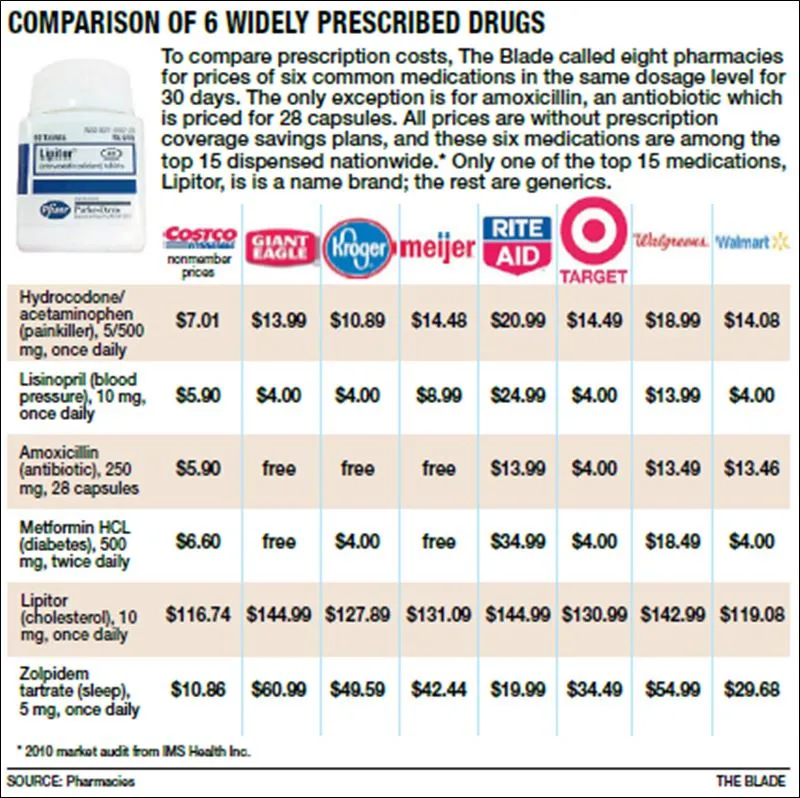
For Americans staring down pharmacy counter prices that can run three to ten times what Canadians pay, the temptation to look north is understandable. Every year, an estimated several million U.S. residents purchase medications from Canadian pharmacies, whether by driving across the border, ordering online, or using mail-order services. But the legal landscape is nuanced, and 2025 brings both continuity and change. Here is what a careful consumer needs to understand before placing an order.
The Legal Reality: A Policy of Discretion, Not Permission
Let us begin with an honest framing: under the Federal Food, Drug, and Cosmetic Act, importing drugs from abroad is generally prohibited, even for personal use. However, the FDA has long exercised enforcement discretion for small quantities of medication imported for personal use, provided certain conditions are met.
In late 2023, a significant shift occurred. Florida became the first state approved under Section 804 of the FD&C Act to import certain drugs from Canada in bulk for state residents, and the FDA has since signalled openness to additional state programs. This is distinct from personal importation, but it matters: it reflects a growing federal acknowledgment that Canadian drug prices are dramatically lower and that access matters.
For individuals, the FDA's traditional guidance for personal importation generally contemplates:
- The drug is for a serious condition with no effective U.S. alternative available or affordable
- The quantity is limited, typically no more than a 90-day supply
- The product is for the patient's own use, not for resale
- The prescription accompanies the shipment
Enforcement against individual consumers importing personal-use quantities remains rare. Rare, however, is not the same as impossible, and a 2019 legal case in Florida (involving a woman importing medications for her husband) underscored that the risk, however small, is not zero.
What Changed Heading Into 2025
Three developments deserve attention. First, state-based importation programs continue to expand, with several states moving through the FDA approval process. Second, the ongoing debate in Congress over allowing personal drug importation outright has kept the issue in the headlines, though comprehensive federal legislation has not yet passed. Third, Canadian regulatory authorities have grown more protective of their domestic supply — Canada moved to restrict bulk drug exports in 2024 to prevent shortages at home, which means legitimate Canadian pharmacies now focus squarely on personal-use quantities for individual patients.
Verifying a Legitimate Canadian Pharmacy: The Non-Negotiables
The single greatest risk is not the FDA — it is counterfeit medication from rogue websites masquerading as Canadian. The U.S. National Association of Boards of Pharmacy has found that the overwhelming majority of online pharmacies selling into the U.S. operate outside accepted standards.
A genuine Canadian online pharmacy will:
- Require a valid prescription from a licensed practitioner
- Be licensed by a Canadian provincial pharmacy authority (for example, the Ontario College of Pharmacists or the College of Pharmacists of British Columbia)
- Display a physical Canadian address and a licensed Canadian pharmacist's name
- Offer a licensed pharmacist available for consultation by phone
- Be listed with PharmacyChecker.com or bear the CIPA (Canadian International Pharmacy Association) seal
You can and should verify licensure directly with the provincial college — each maintains a public registry.
Red Flags That Scream "Rogue Pharmacy"
Watch for these warning signs before entering payment information:
- No prescription required. Any site offering prescription drugs without one is operating illegally, full stop.
- "Canadian" in name only. Many fraudulent sites use words like "Canada" or a maple leaf in their branding while shipping from India, Singapore, or Eastern Europe. Check the actual dispensing address.
- Prices that seem too good to be true. Deep discounts of 90% or more often signal counterfeits.
- No verifiable pharmacist or phone number. Legitimate pharmacies welcome questions.
- Spam solicitation. Reputable pharmacies do not cold-email strangers about "cheap Cialis."
- Cryptocurrency-only payment. Legitimate pharmacies accept standard payment methods with buyer protections.
Your Step-by-Step Checklist Before Ordering
- Confirm the medication is suitable for mail order. Temperature-sensitive drugs like certain insulins and biologics may not survive transit reliably; discuss alternatives with your doctor.
- Verify the pharmacy's licence through the relevant provincial college registry and cross-check with CIPA or PharmacyChecker.
- Obtain a valid prescription and keep a copy for your records and for customs purposes.
- Order no more than a 90-day supply for personal use.
- Compare total costs, including shipping and any dispensing fees, against U.S. options such as manufacturer patient-assistance programs or the $35 insulin caps now in effect for many Medicare beneficiaries.
- Inspect the shipment on arrival — check packaging integrity, expiry dates, and whether the product matches your prescription. Canadian packaging differs (French labelling, different brand names like Apo- or ratio- generics), which is normal; damaged or unlabeled products are not.
- Inform your physician and pharmacist about everything you import so your medication record stays accurate.
A Final Word on Prudence
Cross-border purchasing can deliver genuine savings — often 50% to 80% on maintenance medications — but it rewards diligence. The consumers who benefit are those who verify licences, keep prescriptions current, stay within personal-use quantities, and loop their healthcare providers into the process. Those who chase the lowest price from an unverified website are gambling with counterfeit products that may contain nothing, too much, or the wrong drug entirely.
Laws and enforcement priorities can shift with little notice. Before ordering, check the FDA's current guidance and your state's regulations. An informed patient is a protected patient — and that is the surest foundation for affordable, safe treatment.