Ask About the Price and the Prescription Changes: A Patient's Guide to the Cost Conversation at the Doctor's Office
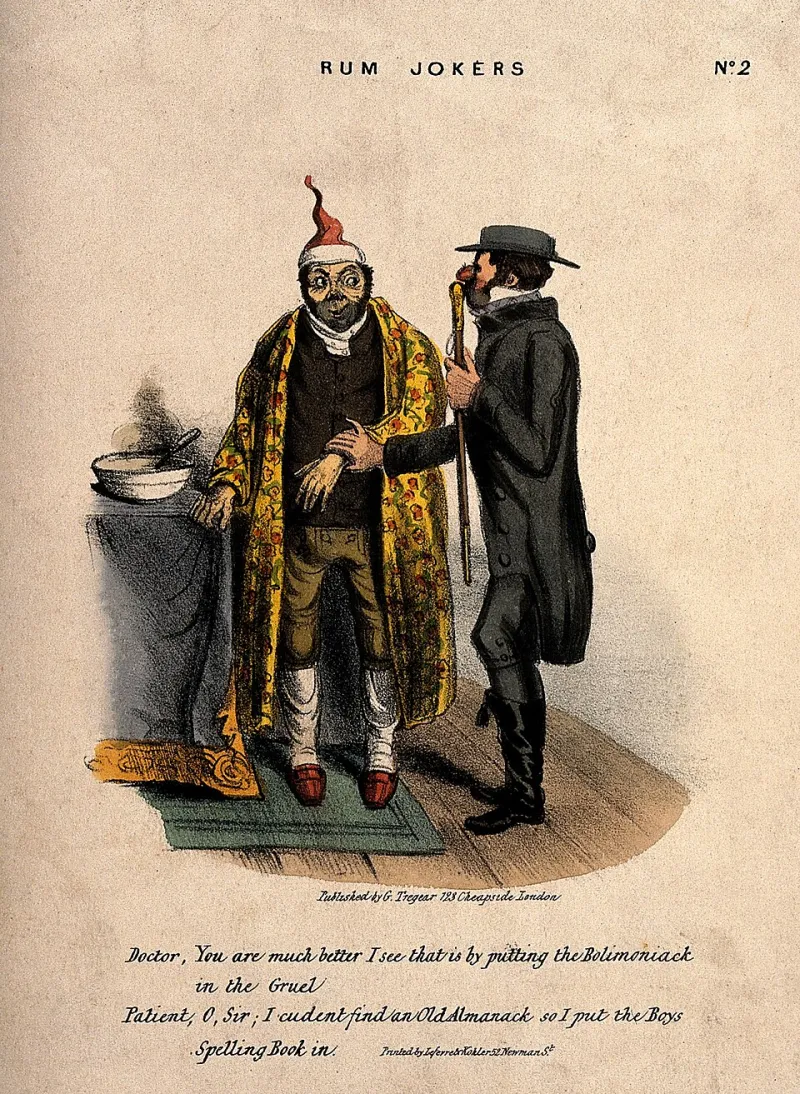
Photo: Unknown, CC BY 2.0, via Wikimedia Commons
The Silence That Costs You Money
In examination rooms across Canada, a peculiar ritual plays out every day. A physician writes a prescription, hands it over, and the visit ends. Nowhere in that exchange is there a discussion of what the medication will actually cost at the pharmacy counter — even though a single brand-name script can run well over a hundred dollars out of pocket for patients without generous drug coverage.
The silence isn't malicious. Physicians are trained to prescribe based on clinical evidence, not price tags, and most have only a vague sense of what their prescriptions cost. But the result is the same: patients who could be paying $20 are paying $80 for a therapeutically equivalent drug, simply because nobody asked.
Why Prescribers Default to the Familiar
Doctors tend to prescribe what they know. A medication they've used for years, backed by studies they remember, feels safer than a newer generic or a less familiar alternative in the same drug class. Add time pressure — the average appointment leaves minutes for prescription decisions — and the path of least resistance wins.
There's also a regulatory landscape worth understanding. In Canada, provincial drug plans and private insurers routinely require generic substitution by default; a pharmacist in Ontario or British Columbia will dispense the less expensive generic unless the prescriber specifically writes "no substitutions." But substitution only applies to identical chemical equivalents. When a therapeutic alternative exists — a different drug in the same class that works similarly — nobody swaps it automatically. That decision requires a conversation, and it usually has to start with you.
The Script: What to Actually Say
Bringing up money with a medical professional can feel awkward, as though you're questioning their expertise. You aren't. You're adding information they need. Here's language that works:
The opener. "Before you write this, could we talk about the cost? I'm paying out of pocket for part of it, and I'd like to know my options."
This works because it frames cost as a clinical consideration — affordability affects adherence, and adherence affects outcomes. No physician wants a patient quietly rationing medication.
The alternative question. "Is there a therapeutic equivalent in the same class that would work as well? I've read some cost considerably less."
The phrase "therapeutic equivalent" signals that you understand the distinction between identical generics and comparable alternatives. It invites a substantive answer rather than a reflexive "the generic will be cheaper."
The frequency question. "Would a longer-acting version reduce how many fills I need each year?"
Fewer fills can mean lower dispensing fees, even when the per-tablet price is similar — a point covered in depth in our piece on the 90-day fill.
The escape hatch. "If the cost comes back higher than I expected at the pharmacy, can I call your office to discuss switching?"
This pre-authorizes a follow-up, so you're not stuck paying for a prescription you can't afford.
Three Phrases That Prompt a Second Look
Dialogue examples from patient advocates and pharmacists suggest three formulations that reliably get prescribers reconsidering a choice:
- "I've heard other patients pay significantly less for something similar — is that right?" This invokes peer experience without challenging the doctor's judgment directly.
- "I'm worried I'll skip doses if the price is high." Adherence concerns are clinically meaningful and hard to dismiss.
- "Could we start with the lower-cost option and see if it works?" This reframes cost-saving as a reasonable treatment strategy — a stepwise approach physicians use all the time.
What Happens on the Canadian Side of the Counter
Canadian pharmacists are, in many respects, already your cost advocate. Provincial formularies list interchangeable generics at set prices, and pharmacists are legally required to dispense them where applicable. Several provinces also permit pharmacists to substitute within pre-approved therapeutic categories or to adjust prescriptions under collaborative agreements — meaning your pharmacist can sometimes resolve a cost problem without a second appointment.
Ask directly: "Is there a lower-cost option in the same drug class, and can you flag it for my prescriber?" Many pharmacies will fax or message the physician's office with a substitution recommendation, which the doctor can approve with a signature. The system works best when both professionals know cost is a priority for you.
A Word on Cross-Border Options
For Canadians, the more relevant cross-border question is often the reverse of the American one: brand-name drugs sold in the United States are sometimes cheaper in Canada, which is why American patients look north. But Canadian patients facing high costs on certain specialty or brand-name medications should still comparison-shop. Prices for identical products can vary between pharmacies, and patient assistance programs from manufacturers operate independently of provincial coverage. Our guides to cross-border purchasing and discount comparisons cover this terrain in detail.
The Takeaway
The $40 difference between two equivalent prescriptions doesn't announce itself. It hides in a prescriber's habits, a formulary's fine print, and the silence of patients who assume the doctor would have mentioned a cheaper option if one existed. Ask the question. Use the script. Bring up cost before the prescription pad comes out, not after the receipt does. In a system where nobody is officially responsible for your drug budget, the most qualified advocate in the room is you.