The Last Drugstore in Town: How Pharmacy Deserts Are Pushing Patients Toward the Digital Counter
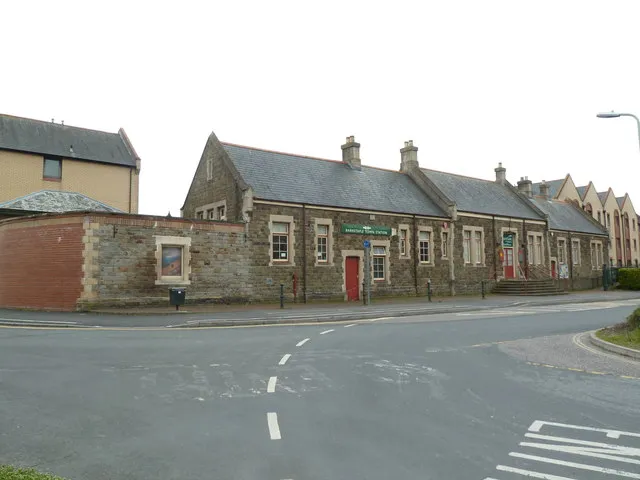
Photo: Chris Allen, CC BY-SA 2.0, via Wikimedia Commons
The pharmacy was supposed to be the easy part of American healthcare. For decades, the corner drugstore operated as a de facto community health hub — a place where a patient could renew a blood pressure prescription, ask a quick question about a drug interaction, and pick up a refill without an appointment. That model is fraying. Across the United States, hundreds of communities have watched their last pharmacy close, joining the growing list of 'pharmacy deserts' where the nearest dispensing pharmacist is now a thirty- or forty-minute drive away.
For the millions of patients managing chronic conditions — diabetes, hypertension, heart disease, asthma — this is not a convenience problem. It is a continuity-of-care problem, and it is reshaping how people obtain their medication.
Why Pharmacies Are Disappearing
The closures are not random. Independent pharmacies have been squeezed by reimbursement rates that often fall below the cost of dispensing, while national chains have retreated from unprofitable locations in rural and lower-income urban neighbourhoods. Add shrinking margins on generic medications and the rise of central-fill mail operations, and the economics become punishing for anyone running a storefront.
The result is a map that looks increasingly uneven. Rural counties across the Midwest and the South, along with pockets of major cities, now fall into areas where residents must travel well beyond a reasonable distance to reach a licensed pharmacist. For elderly patients, those without reliable transportation, or those managing mobility limitations, the distance is often the barrier that matters most.
What Happens When the Counter Closes
Losing a local pharmacy removes more than a building. It removes the informal safety net: the pharmacist who caught a dangerous duplication, flagged a missed refill, or simply noticed that a longtime customer seemed confused about a new dosage. Mail-order systems can replicate the logistics of dispensing, but they cannot easily replicate that human checkpoint.
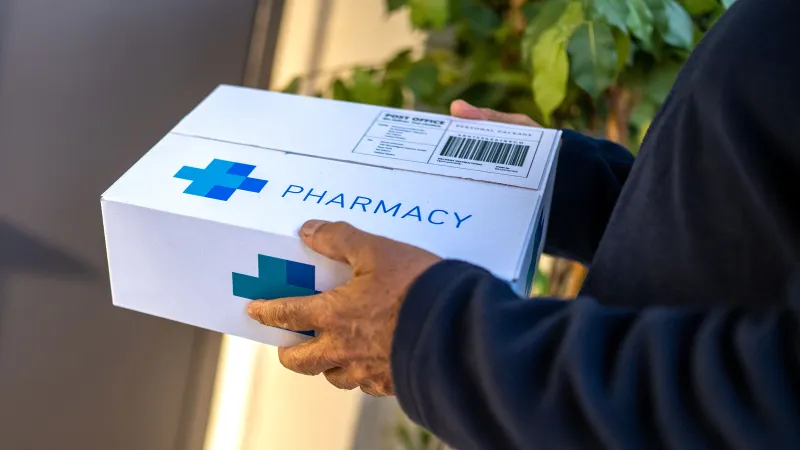
Patients in pharmacy deserts typically respond in one of three ways. Some drive farther, absorbing the cost in time and fuel. Some stretch supplies — skipping doses or halving tablets — which clinicians consistently warn against. And a growing number turn to remote options, including licensed Canadian online pharmacies, particularly when the local alternative is also the more expensive one.
The Cross-Border Option, Without the Romance
It is worth being clear-eyed about what a legitimate Canadian pharmacy offers and what it does not. Canada maintains a regulated pharmaceutical system with price controls that frequently make the same brand-name medication substantially cheaper than the American cash price. For patients paying out of pocket — the uninsured, the underinsured, those in coverage gaps — the difference can be decisive.
However, the regulatory picture has limits. The U.S. Food and Drug Administration maintains that personal importation of medication is generally not sanctioned, even though enforcement against individuals ordering modest personal supplies has historically been rare. Reputable cross-border pharmacies operate within specific constraints: they typically require a valid prescription from a licensed prescriber, ship limited quantities suitable for personal use, and dispense from licensed facilities. Anything that promises prescription-free access to controlled substances or bypasses the prescription requirement entirely is not operating within any defensible framework.
A Practical Checklist for Evaluating a Remote Pharmacy
When there is no pharmacist down the street, due diligence has to happen at a distance. Patients in pharmacy deserts should treat the vetting process as seriously as they would a new provider:
- Verify licensing. A legitimate Canadian pharmacy will be licensed by a provincial college of pharmacists — for example, the Ontario College of Pharmacists or the College of Pharmacists of British Columbia — and will display verifiable licence information.
- Require a prescription. No valid prescription requirement means walk away, regardless of price.
- Look for a pharmacist you can reach. A phone number staffed by licensed pharmacists who answer medication questions is a meaningful signal that the operation functions like a pharmacy rather than a storefront.
- Confirm the supply chain. Ask where the medication is dispensed and whether it meets the same standards expected domestically.
- Check for third-party verification. Independent verification programs and pharmacy associations offer an additional layer of screening, though they should supplement — not replace — the checks above.
- Start with one medication. A trial fill of a stable, non-urgent chronic medication lets you evaluate reliability, shipping times, and packaging before moving anything critical.
Rebuilding the Safety Net at a Distance
The disappearance of local pharmacies is a structural problem that no individual patient can solve. But patients can adapt deliberately rather than reactively. That means maintaining a relationship with a primary care provider who monitors therapy, keeping an updated medication list, setting refill reminders well ahead of running out, and asking a physician or nurse practitioner to serve as the human checkpoint the local pharmacist once provided.
For those in pharmacy deserts, the internet has become the counter of last resort — and sometimes the counter of first resort, when the price difference is large enough to matter. The goal is not to romanticize cross-border purchasing but to make it a considered option among several, evaluated with the same skepticism and care that good pharmacy care itself demands. Access to affordable medication should not depend on a postcode. Until it doesn't, informed patients will keep finding their own way across the gap.